How band-pass Raman spectroscopy lets you monitor blood sugar without pricking your finger |
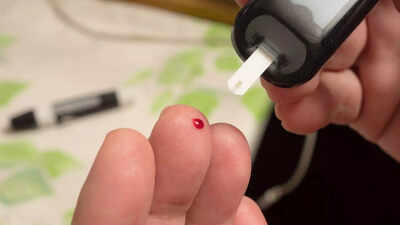
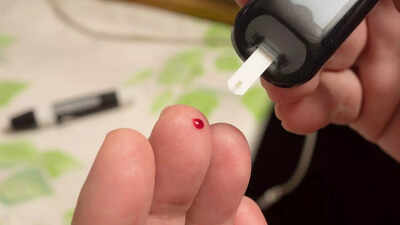
If you regularly monitor your blood sugar, you are likely familiar with the repeated discomfort and inconvenience of finger-prick tests. These traditional methods, although widely used, can cause minor pain, skin irritation, or bruising, and their frequency can reduce adherence. Advances in optical sensing technologies are now offering alternatives that allow you to monitor glucose continuously without breaking the skin. One particularly promising technique is band-pass Raman spectroscopy, which captures the unique vibrational signatures of glucose molecules in the skin and underlying tissue. By translating these molecular fingerprints into continuous readings, this approach could improve accuracy, reduce discomfort, and offer detailed insights into daily glucose fluctuations, allowing you to manage your health more precisely. The method also has the potential to integrate into compact, wearable devices, offering convenience while maintaining clinical reliability and patient safety.
How band-pass Raman spectroscopy detects glucose in your body
Band-pass Raman spectroscopy relies on the interaction of light with molecules to identify glucose in the skin and tissue. When a focused laser beam illuminates the skin, most photons scatter without change, but a small fraction interacts with molecules, causing a shift in energy that produces a Raman spectrum. Each type of molecule has a distinctive spectral signature, and glucose produces identifiable peaks that can be isolated from signals of proteins, lipids, and other biomolecules. Band-pass optical filters allow the device to focus on the spectral range where glucose signals are strongest, reducing background interference. These signals are then analysed by advanced computational algorithms, which convert the spectral information into glucose concentrations continuously. Because the technique is non-invasive, it allows repeated measurements without puncturing the skin, providing consistent monitoring throughout the day. The approach also lends itself to compact, portable designs, making it suitable for wearable devices that integrate seamlessly into your lifestyle while providing clinically relevant data.
What research says about painless, continuous glucose tracking
A study published in Analytical Chemistry explores the feasibility of using band-pass Raman spectroscopy for continuous glucose monitoring with a compact, point-of-care device. Researchers demonstrated that the system could reliably detect glucose concentrations with accuracy comparable to standard finger-prick methods. The study highlighted the importance of device calibration, signal processing, and precise optical alignment to ensure reliable readings. The compact design was particularly suitable for use both in clinical settings and in home environments, enabling continuous monitoring without the discomfort of repeated blood sampling. Findings indicated that non-invasive monitoring could reduce both the physical and psychological burden of conventional methods while providing a more comprehensive understanding of glucose dynamics. Continuous monitoring allows identification of trends that might otherwise be missed with intermittent sampling, enabling timely interventions and potentially improving long-term health outcomes.
The benefits of tracking blood sugar without needles
Non-invasive glucose monitoring offers clear advantages compared with traditional sampling. Eliminating repeated skin punctures reduces pain, bruising, and the risk of infection. Continuous data provide a dynamic view of glucose fluctuations, allowing you to respond quickly to rising or falling levels. Integration with wearable devices enables real-time data transmission to smartphones or healthcare providers, supporting remote monitoring and personalised care. Because measurements are automated, the method reduces errors associated with sample handling, timing, or technique, improving overall reliability. The approach also allows for long-term tracking, giving both patients and clinicians a richer dataset for informed decision-making regarding diet, medication, and lifestyle adjustments.Key advantages include:
- Removal of finger-prick testing and associated discomfort or skin irritation
- Real-time continuous monitoring of glucose fluctuations throughout the day
- Reduced risk of skin infections or minor injuries
- Integration with wearable technology for remote data collection and monitoring
- Improved adherence due to convenience and ease of use
- Reduced errors from manual sampling and handling
- Potential for automated alerts and personalised intervention strategies
- Enhanced long-term tracking for more informed healthcare decisions
What challenges still stands in the way of needle-free glucose monitoring
Despite its promise, band-pass Raman spectroscopy faces several challenges before it can be widely implemented. Variations in skin pigmentation, tissue composition, and ambient environmental conditions can affect the Raman signal, necessitating careful calibration for each individual user. Signal processing must effectively separate glucose peaks from background noise, requiring sophisticated algorithms and extensive validation. Device design also needs to balance compactness, comfort, battery life, and reliable wireless connectivity for continuous wear. Researchers are exploring hybrid systems that combine Raman spectroscopy with complementary sensing methods to improve accuracy and robustness. Ensuring consistent performance across different environments and user conditions remains a critical step. Overcoming these challenges is essential to translating laboratory prototypes into practical, everyday tools suitable for clinical use and long-term patient monitoring.Main challenges include:
- Variability in skin tone, tissue composition, and optical properties
- Interference from ambient light, background fluorescence, or environmental factors
- Requirement for individual calibration to maintain accurate readings
- Complex signal processing to isolate glucose signals reliably
- Device ergonomics and comfort for continuous wear
- Ensuring consistent performance across different conditions
- Integration with secure wireless transmission and long-lasting battery solutions
- Development of hybrid systems to improve accuracy and robustness
Disclaimer: This article is for general informational purposes only and is not a substitute for professional medical advice, diagnosis, or treatment. Always seek the guidance of a qualified healthcare provider regarding any medical condition or lifestyle change.Also Read | Can spending more time in the sun extend your life; know what researchers found