Board-certified cardiologist and dermat reveals 10 signs of skin cancer
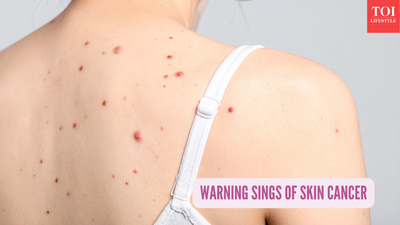
Skin cancer is the most common cancer worldwide, but fortunately, the rate of successful treatment increases significantly when it is diagnosed in its earliest stages. The ability to recognize warning signs will enable you to catch it before it spreads or gets worse. Board-certified dermatologist Dr. Jeffrey Nesbell and board-certified cardiologist Dr. Evan Levine share below some critical skin cancer signs to look for.
Symptoms and signs of basal and squamous cell carcinoma
These two are the most frequent types of skin cancer and usually appear on sun—exposed skin, though not exclusively. The first five signs to watch for include:1. Sores that bleed and not heal: Long-standing wounds that crust over and bleed may indicate either basal or squamous cell carcinoma. A sore that disappears then later returns also could be a warning sign.2. Pearly or Waxy bumps: Basal—cell carcinoma often consists of small, shiny nodules that can appear pearly or have a waxy nature. They sometimes contain visible blood vessels on their surface.
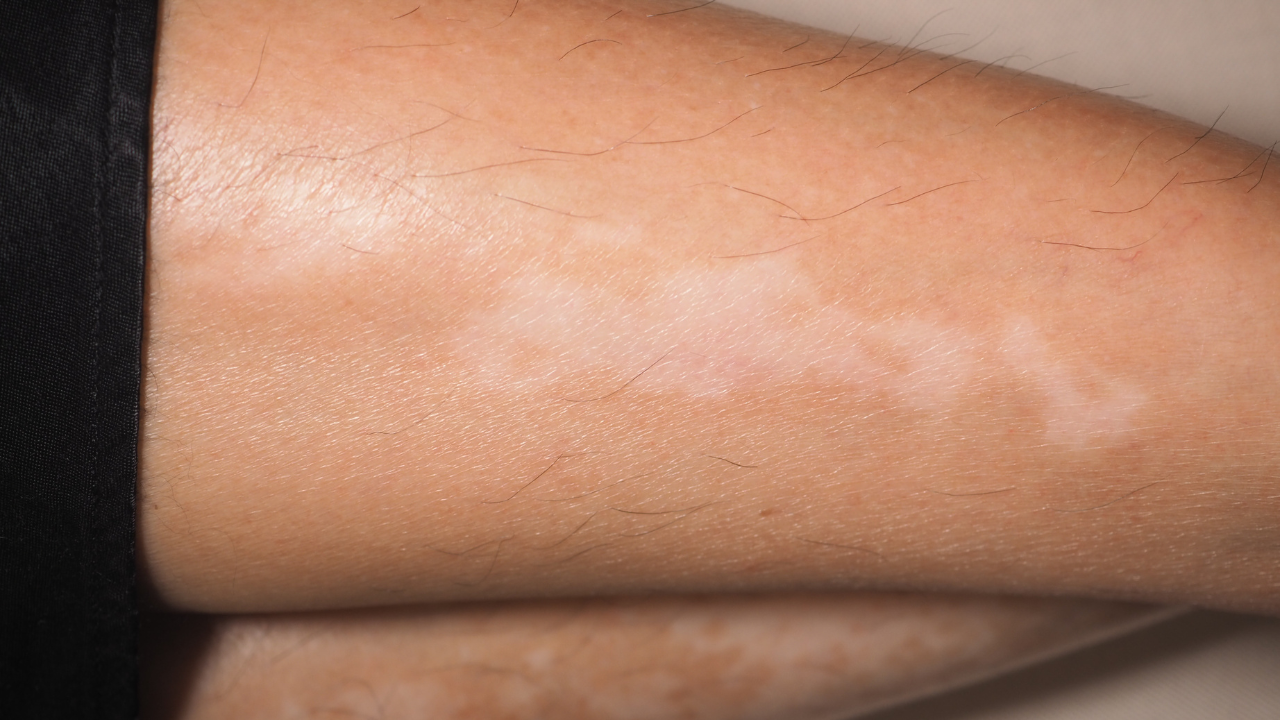
3. Rough or scaly patch: Skin patches that are rough, crusty—or scaly-especially if they’re growing or aren’t improving over time—may indicate squamous cell carcinoma.4. Firm red nodules: A new firm red bump in the skin may sometimes hurt or bleed and thus requires attention and hence needs to be evaluated.
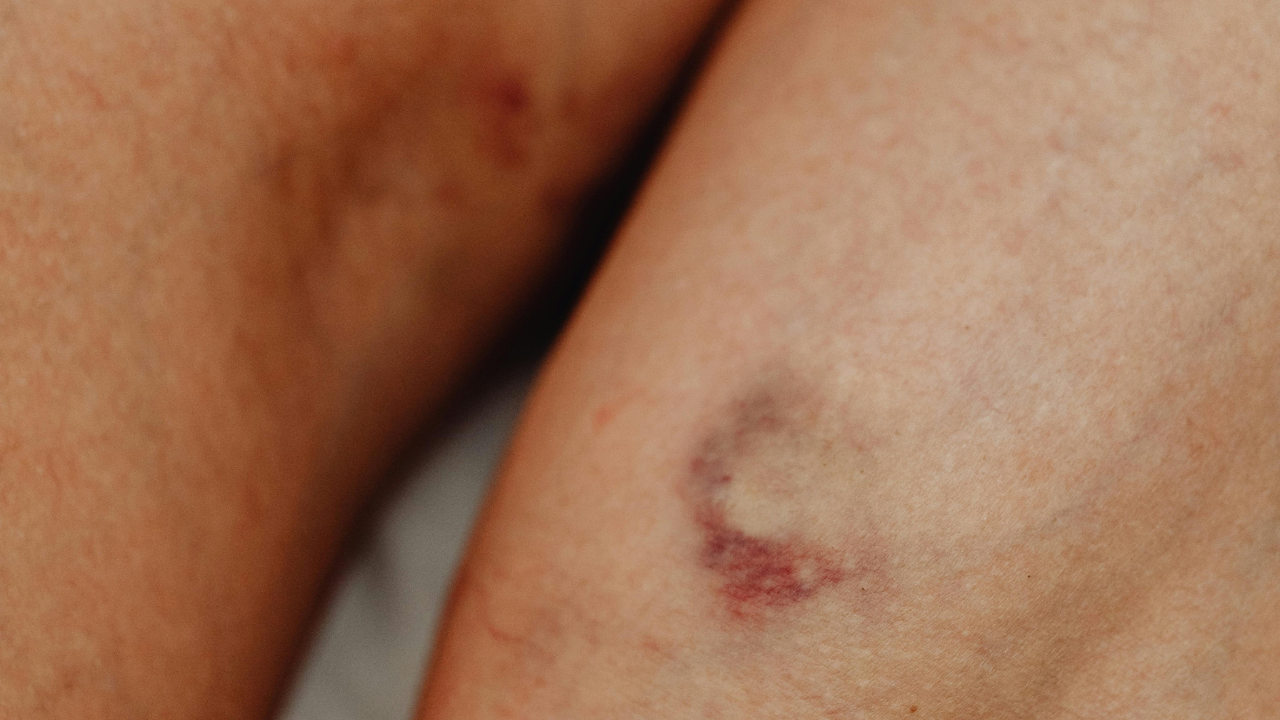
5. Scar-like patch: Thickened and hardened patches may give the appearance of scars, although these have never had an injury to precede them—signaling an aggressive basal cell carcinoma.
Warning signs of Melanoma:
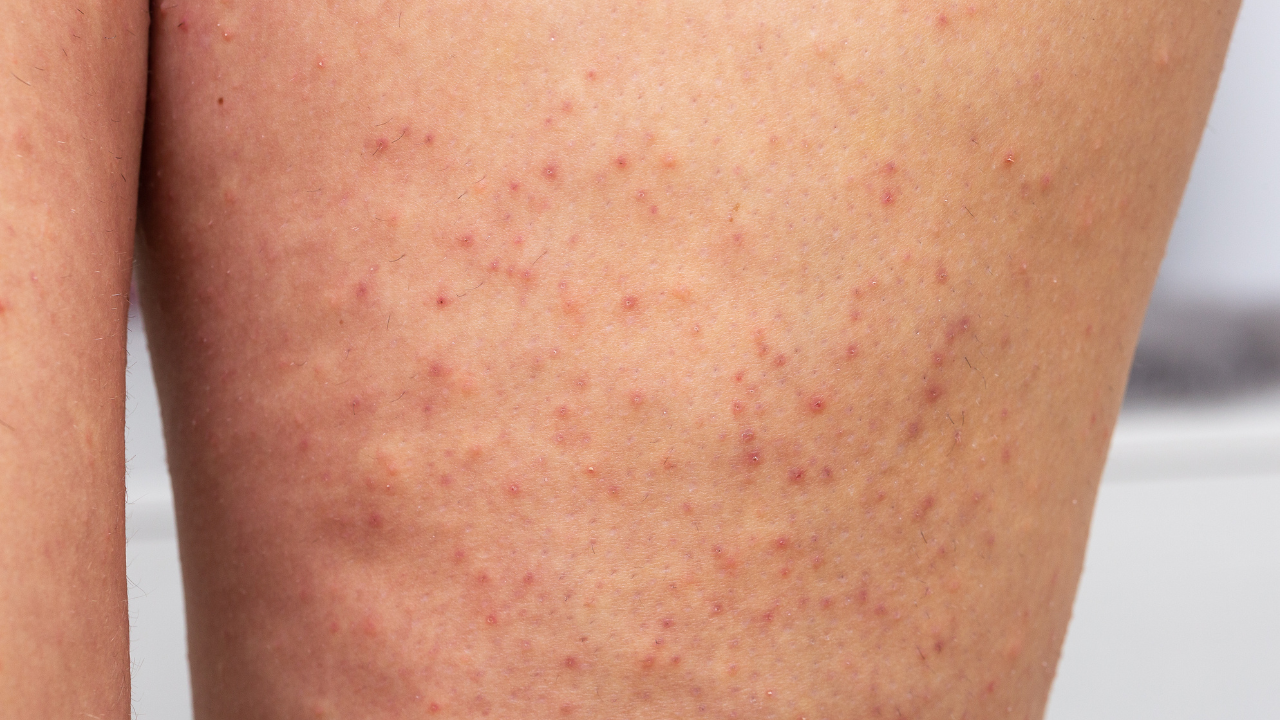
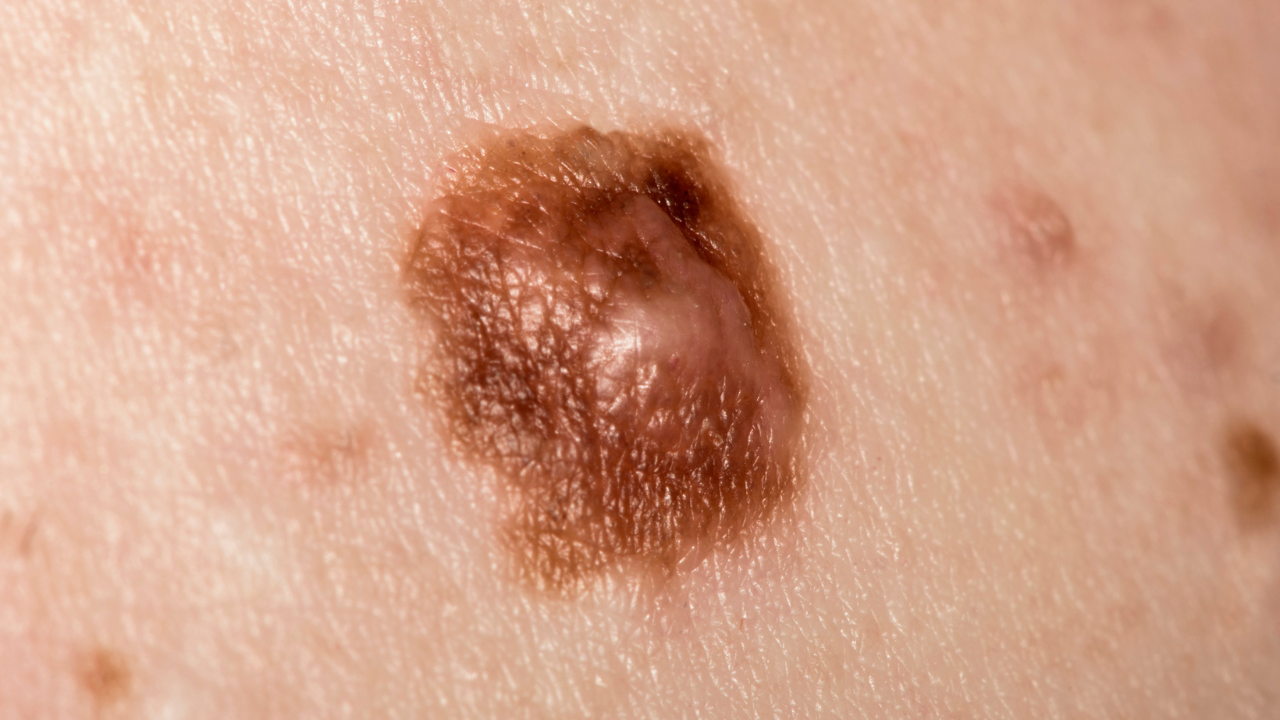
While melanoma is less common, it is far more dangerous, as it can spread quickly if left undetected. Warning signs often follow the “ABCDE” mnemonic:1. Asymmetry: One half of a mole or spot does not match the other half in shape or color2. Border Irregularity: Edges are not smooth but instead jagged, scalloped, or poorly defined.3. Variation in Coloration: There may be several shades of brown, black, and even red and pink within one lesion.4. Diameter larger than 6 Millimeters: The size of a pencil eraser or larger, larger moles need closer observation.5. Evolving Nature: The most important warning signs include changes in size, shape, or color of a mole, or the development of new symptoms such as itching or bleeding.Another good rule of thumb is to watch out for the “Ugly Duckling” sign, where a mole is significantly dissimilar from your other moles in size, shape, or color. Not every imperfect mole is dangerous, but any new, changing— or unusual spot deserves a dermatologist’s evaluation.
When to see a doctor
Not all growths that meet these criteria are cancerous, but if you have any new, unchanging growths or moles that change in any of the ways above, get to a doctor for a professional skin exam. The best way to ward off the serious health risks of skin cancer is through early detection.Setting up regular skin self-checks, wearing sun protection, and consulting a dermatologist when suspicious lesions arise can save lives. Remember, it’s better to have a spot checked and be reassured than to delay and risk progression.