5 foods that boost hair growth naturally and strengthen roots

Our hair is the literal crown we wear on our head and healthy hair originates from within the body, and a nutrient-dense plate will often do much more for hair growth than a high-range serum ever could. While food isn’t going to alter genetics and/or medical conditions, the correct mix of protein, vitamins, minerals, and healthy fats supports stronger roots, less shedding, and better shine over time.How diet affects our hair
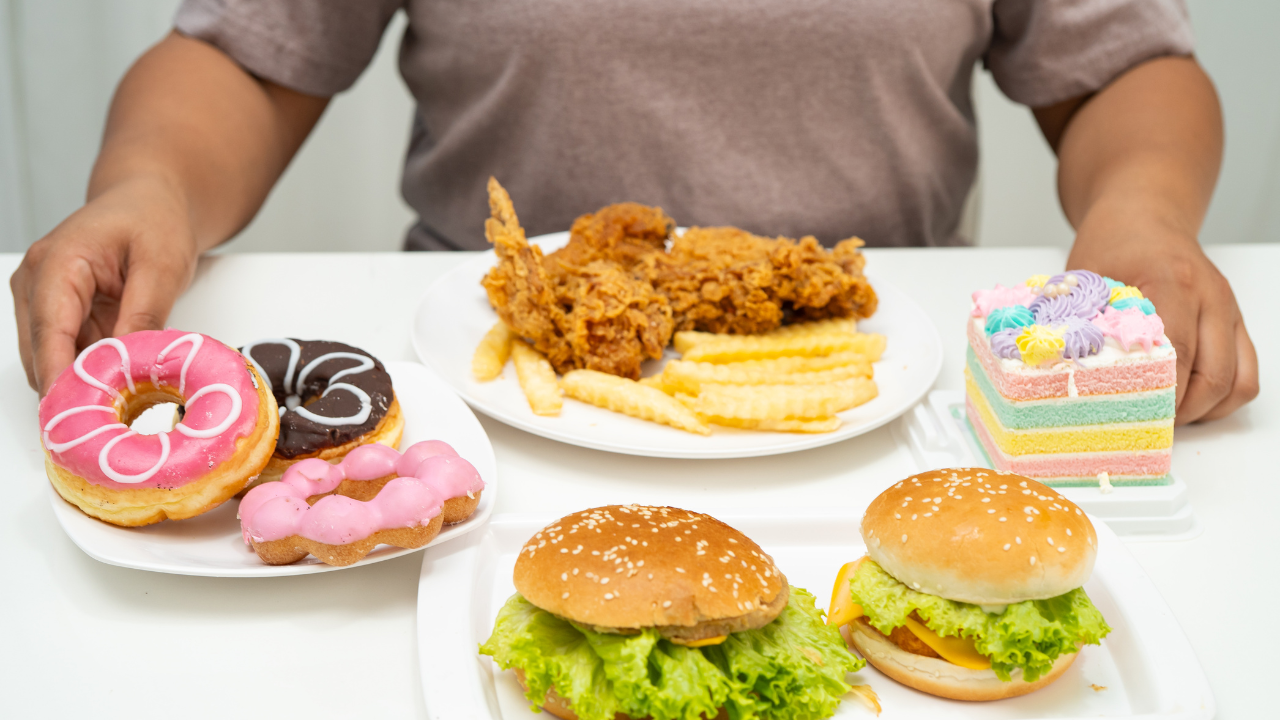
Hair is essentially made up of a protein known as keratin, and for that reason, low intake of this may slow growth and weaken the strands. Various studies have associated hair problems with deficiencies in iron, zinc, vitamin D, B vitamins including biotin, and antioxidants such as vitamins A, C—and E. A diet with adequate calories helps, too, since crash diets and sudden weight loss trigger hair fall.
High-protein food
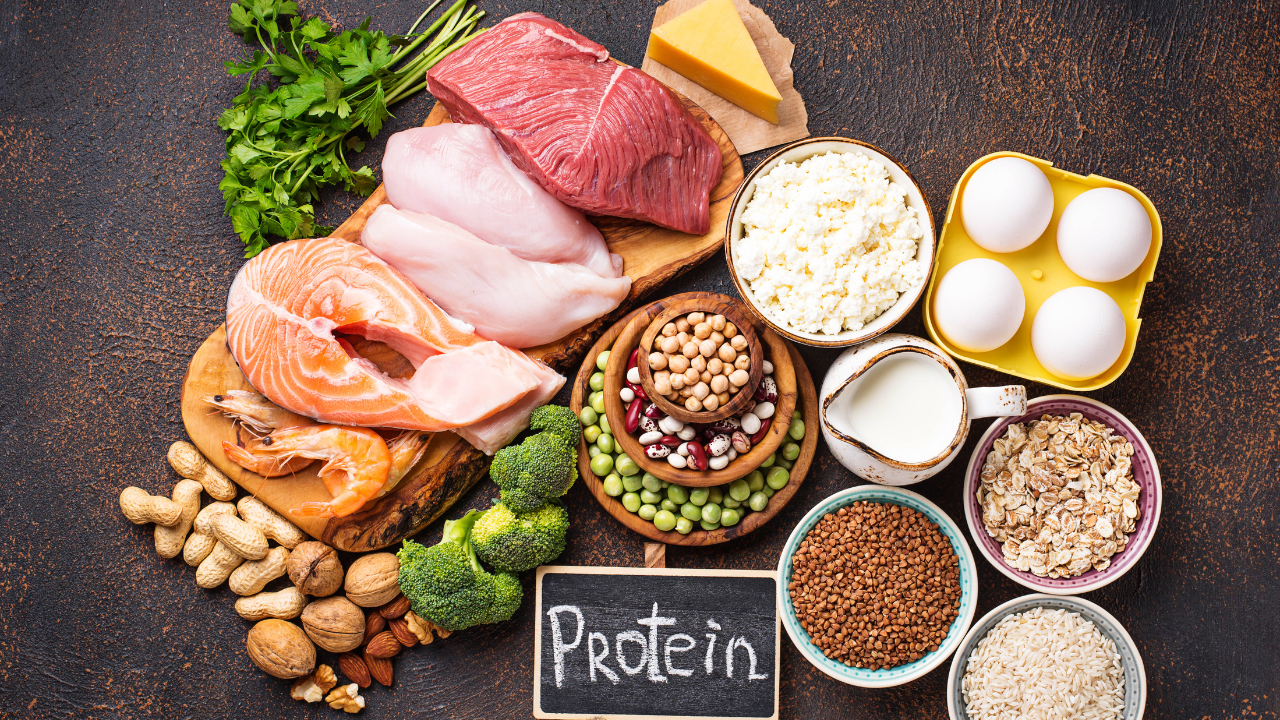
Adequate protein forms the raw material for making new hair. Common daily sources include eggs, curd or Greek yogurt, paneer or tofu, lentils, chana, rajma, fish, and lean meats. Of these eggs are a clear winner because they also provide biotin, which is a B vitamin that plays an active part in producing keratin and is often deficient in persons suffering from hair loss.
Iron and leafy greens
Iron is important for the red blood cells to carry oxygen to the roots, and low iron is a well-recognized factor in causing diffuse hair shedding. Spinach, methi leaves, drumstick leaves, rajma, chana, and other pulses supply plant-based iron, especially when coupled with vitamin C-containing foods like lemon or amla for enhanced absorption. Non—vegetarians get better bioavailability from eggs, fish—and lean meats to feed the hair growth cycle.
Healthy fats and omega-3
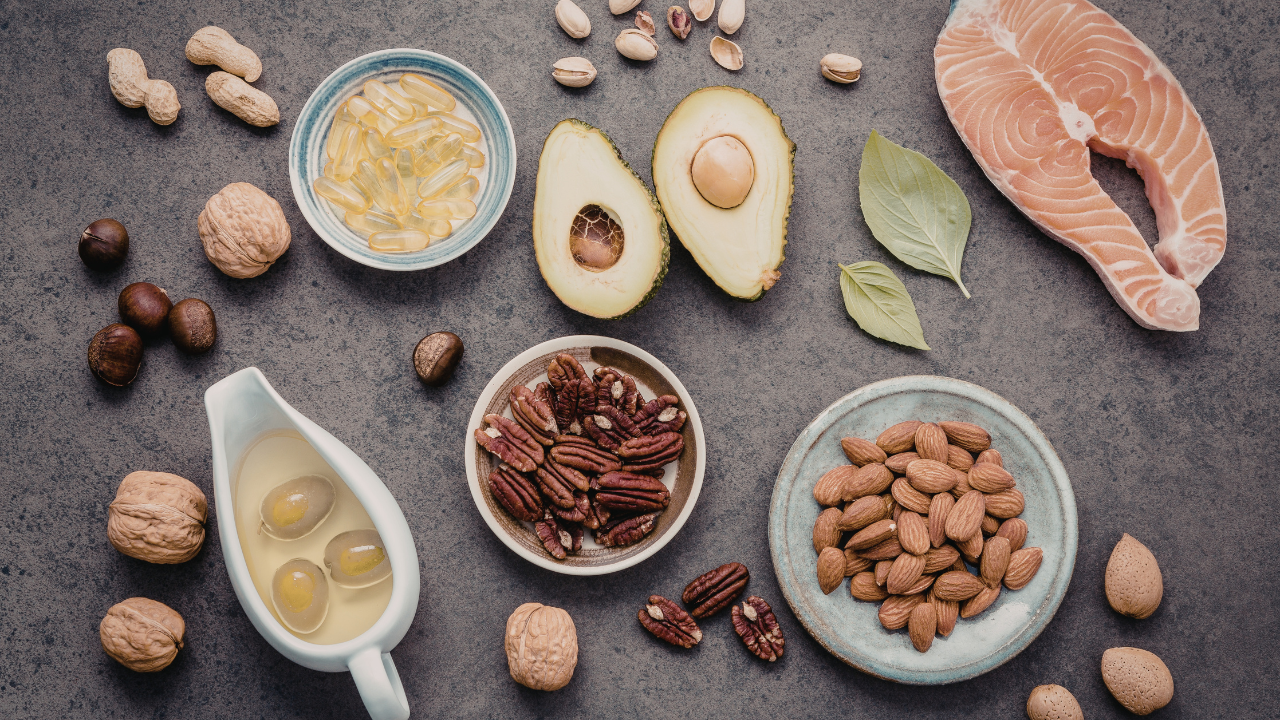
The scalp needs healthy fats to stay lubricated, ensure proper circulation, and to calm low-grade inflammation that can exacerbate thinning. Fatty fish, such as salmon or mackerel, walnuts, flaxseeds, chia seeds, and sunflower seeds provide omega-3 fatty acids— which fortify the scalp barrier and reduce breakage. Avocado, nuts, and cold-pressed oils like olive or mustard contain vitamin E, an antioxidant that protects follicles from oxidative damage.
Nuts, seeds, and vitamins
One small handful of mixed nuts and seeds works as a daily beauty tonic for your hair. Almonds, walnuts, and cashews provide biotin, vitamin E, zinc—and selenium-all key to fortify strands and make them less apt to break. Pumpkin, sunflower, flax, and chia seeds add in even more zinc and omega-3s, which support follicle health and regulate shedding.
Colorful fruits and vegetables
Bright fruits and vegetables bring antioxidants that protect the follicles from daily oxidative stress. Berries, citrus fruits, guava—and amla contain Vitamin C—which helps in building collagen and absorbing plant-based iron. Orange veggies such as carrots and sweet potatoes contain beta-carotene, which gets converted to Vitamin A for healthy scalp oils.
Vitamins, Minerals-and Realistic Expectations
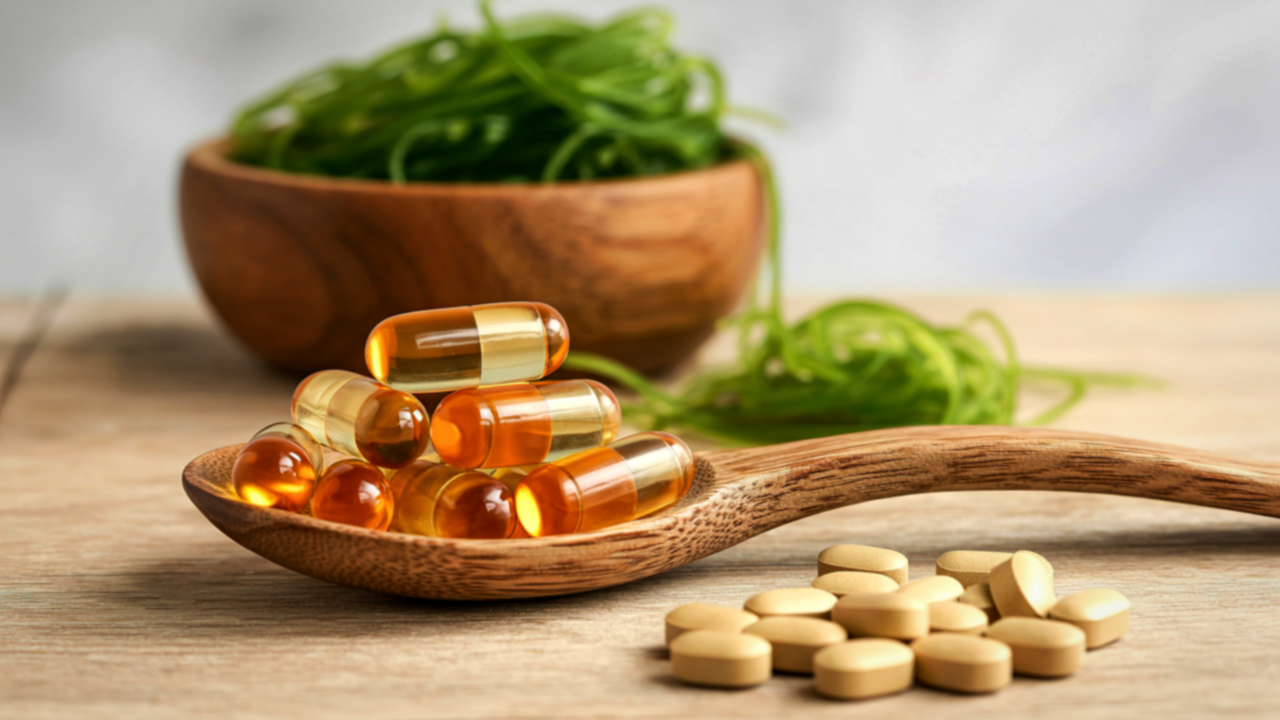
Clinical reviews single out vitamin D, iron, and sometimes zinc as supplements with evidence in certain hair loss types, but they are best when fixing proven deficiencies. Overdoing-vitamin A, E, or selenium can trigger more shedding, so food-first is generally safer than high—dose pills without tests. Reviews stress that although deficiencies, like low ferritin or zinc, contribute to telogen effluvium or alopecia areata, routine screening needs risk factors such as heavy periods or vegan diets.Deficiencies, like low ferritin or zinc, contribute to telogen effluvium or alopecia areata, routine screening needs risk factors such as heavy periods or vegan diets.