Want stronger legs without running? ‘Rucking’ might be the exercise you need


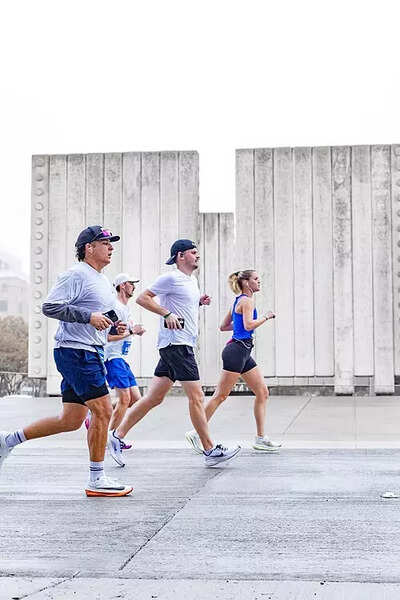
Running is often seen as the gold standard for building leg strength and cardiovascular fitness, but it isn’t the only option. An increasing body of research suggests that ‘Rucking’, may deliver many of the same lower-body benefits. A practice that was originally studied in military and occupational settings is now being seen as an effective option beyond high-impact running. But what exactly is rucking, and how does it work? Let’s exploreWhat is rucking and how does it work?
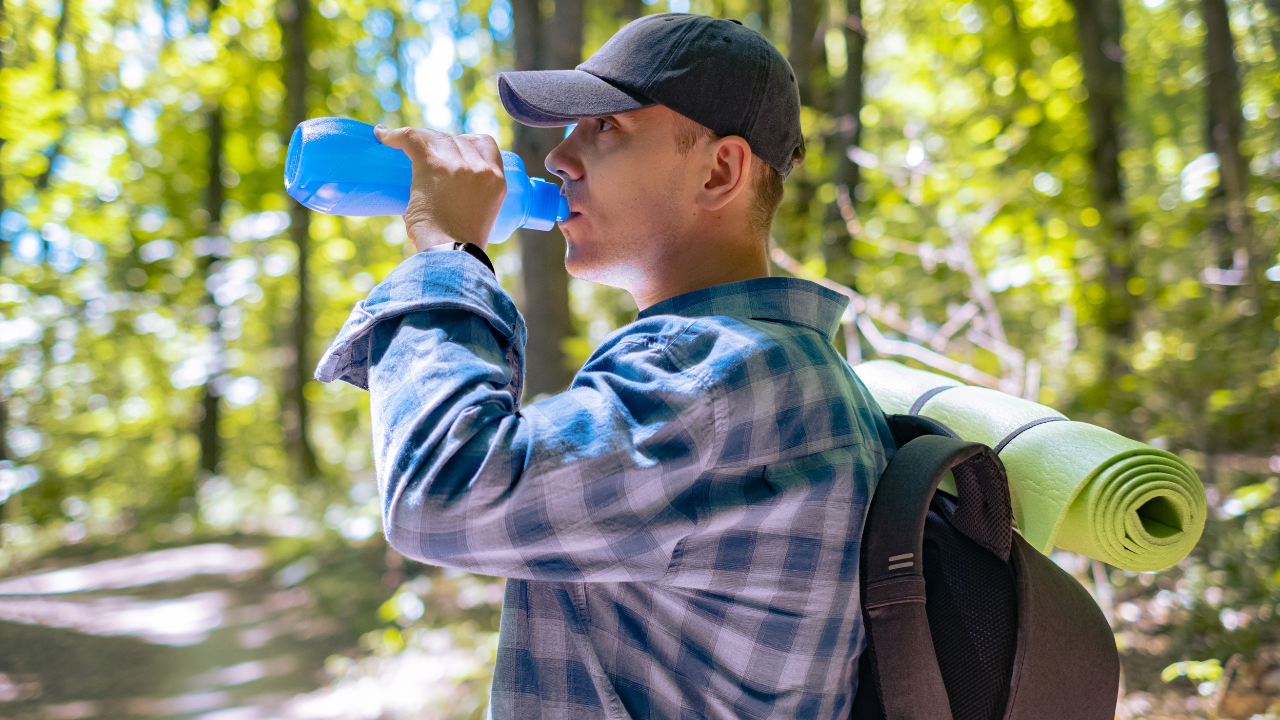
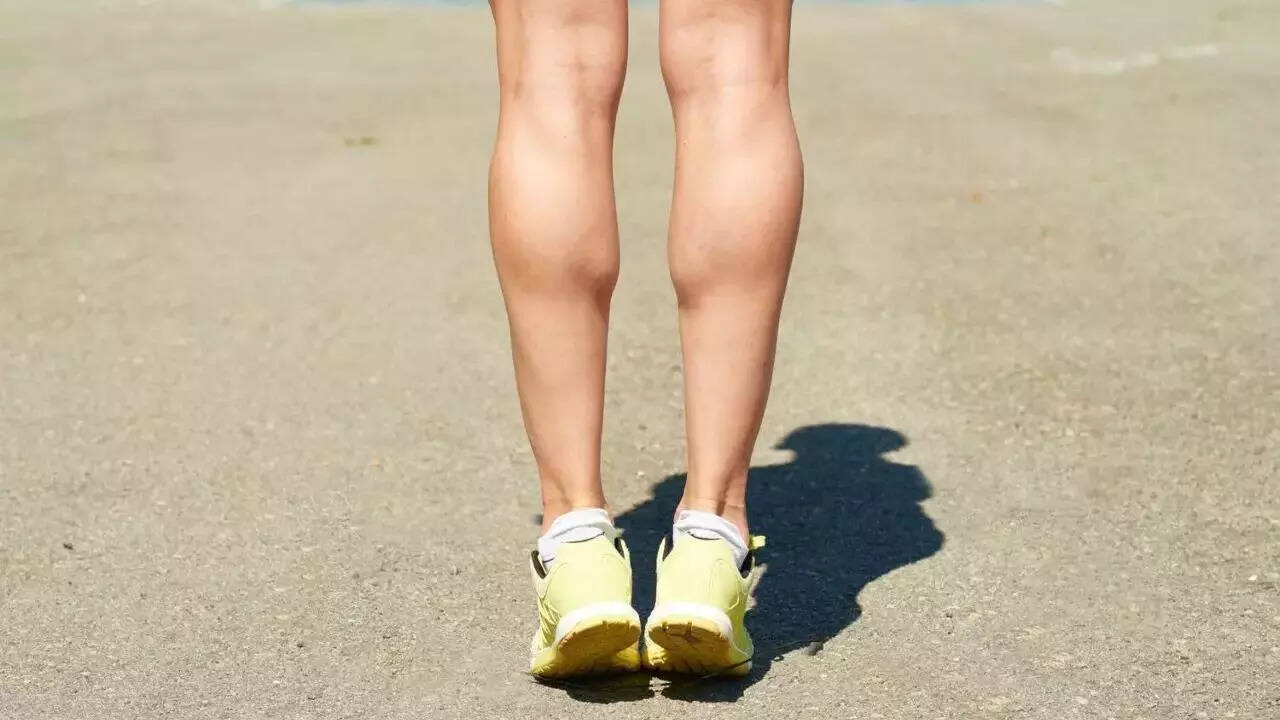
At its simplest, rucking involves walking at a steady pace while carrying additional weight, usually in the form of a backpack or weighted vest. The concept is straightforward, but the physiological demands are notably different from ordinary walking. Carrying extra load increases the work done by the lower-body muscles, particularly the quadriceps, hamstrings, glutes and calves, while also engaging the core and stabilising muscles to maintain posture and balance.Research on load carriage shows that even modest added weight can raise heart rate, oxygen consumption and muscular effort, effectively turning a walk into a form of low-impact resistance training. A study tracked lower-limb muscle activity (via EMG) in recreational female hikers carrying loads of 0%, 20%, 30% and 40% of body weight over an 8 km walk. Researchers found that carrying 20–40% body-weight loads significantly increased activation in critical lower-body muscles (vastus lateralis, gastrocnemius, hamstrings) compared to unloaded walking, supporting the idea that rucking can deliver a meaningful strength stimulus. Rucking may help build leg strengthOne reason rucking is gaining attention is its ability to increase muscular demand without the repetitive impact forces associated with running.In an NIH backed study , researchers observed that walking with a backpack led to higher ground reaction forces and increased mechanical loading on the lower limbs compared to unloaded walking, even at the same speed. How rucking compares to runningUnlike running, which relies on repeated high-impact ground contact, rucking increases training intensity primarily through added load rather than speed. Research shows that while backpack load increases joint moments at the hip, knee and ankle, the overall movement pattern remains closer to natural walking than running, resulting in lower impact forces on the joints. Who can benefit most from ruckingRucking can improve functional strength, balance and endurance not only in trained individuals, but also in recreationally active adults. This makes rucking particularly relevant for those who want stronger legs but may be limited by joint sensitivity, previous injuries, or an aversion to high-impact exercise such as running. Safe practice tips to follow
- Start light: Begin with about 5–10% of your body weight
- Progress gradually: Increase either distance or weight
- Maintain good posture and use a proper backpack
- Pay attention to footwear: Wear supportive shoes
- Watch walking speed: Walk at a controlled, steady pace
- Listen to your body: Persistent pain or excessive fatigue are signs to stop
Who shouldn’t try ruckingWhile rucking can be a practical, lower-impact option for many people, it is not suitable for everyone. People with untreated joint disorders or those with a history of stress fractures, disc-related back problems, or chronic lower-back pain may be at higher risk. Pregnant individuals and elderly are at greater risk. Disclaimer: This article is intended for general informational purposes only and does not constitute medical or fitness advice.