Frozen foods for heart health: What to keep in your freezer for a healthy heart |
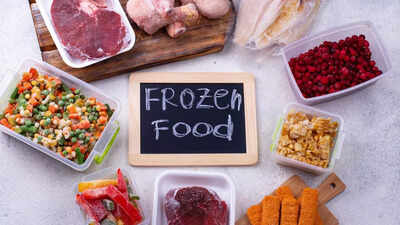
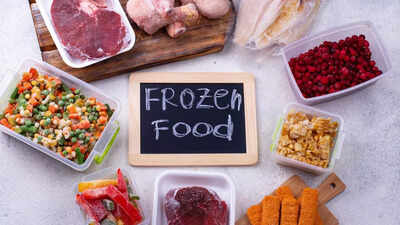
Maintaining heart health is essential from a young age, and experts emphasise that lifestyle choices play a vital role in protecting the cardiovascular system. Regular exercise, stress management, sufficient sleep and a diet rich in omega-3 fatty acids, fibre, antioxidants, vitamins and minerals are all critical for a healthy heart.While many believe that fresh foods are always the healthiest option, nutrition and heart specialists highlight that frozen foods can be equally nutritious and often more convenient. Freezing preserves vitamins and minerals, reduces food waste, and ensures that heart-healthy foods are available year-round. Incorporating frozen options into your diet can help lower the risk of heart disease, stroke, high blood pressure and support overall organ health.
Why frozen foods are heart-friendly
Frozen foods maintain their nutrient content through rapid freezing, which locks in antioxidants, vitamins and minerals. Unlike fresh produce, which can lose nutrients over time due to storage and transport, frozen foods retain their health benefits until consumption.In addition, frozen foods offer convenience for busy lifestyles. Pre-washed, pre-cut vegetables and ready-to-cook proteins make it easier to prepare balanced meals without extra time in the kitchen. Experts suggest that integrating frozen options can be an effective strategy for supporting long-term heart health and maintaining a consistent, nutritious diet.
Top frozen foods for heart health
Frozen berries, including raspberries, blueberries, strawberries and blackberries, are rich in antioxidants and phytochemicals that protect the heart. The freezing process preserves anthocyanins and phenolic compounds, which help reduce inflammation, support healthy blood vessels, and lower the risk of hypertension and atherosclerosis.Berries are versatile and can be added to smoothies, yogurt bowls, oatmeal or desserts. They are readily available throughout the year and provide a natural source of vitamins and minerals that contribute to cardiovascular wellness.Frozen spinach is a valuable addition to a heart-healthy diet due to its high nitrate content. Nitrates help relax blood vessels, improve blood flow and support healthy blood pressure levels.Spinach is also rich in vitamins A, C and K, iron and fibre. Pre-washed and chopped frozen spinach can be easily incorporated into soups, dals, omelets, smoothies and pasta dishes. Its convenience makes it an ideal choice for maintaining a consistent intake of leafy greens, which are essential for heart function.Fatty fish like salmon are well known for their omega-3 fatty acids, which are essential for heart health. Omega-3s help reduce triglycerides, lower inflammation and support overall cardiovascular function.Frozen salmon retains its nutrient content and provides a quick, convenient protein option for busy schedules. Research involving large populations shows that regular consumption of fatty fish lowers the risk of heart attack, stroke and other cardiovascular events. Including frozen salmon in weekly meals ensures a steady intake of heart-protective nutrients.Edamame, or young soybeans, are rich in plant protein, soluble fibre and potassium, all of which contribute to cardiovascular health. Soluble fibre helps lower LDL cholesterol, while potassium supports healthy blood pressure levels.Frozen edamame is simple to prepare and can be added to salads, grain bowls, stir-fries or eaten as a snack with a sprinkle of salt or spices. It is an excellent plant-based protein source that supports both heart and overall metabolic health.
Easy ways to incorporate frozen foods
Frozen foods are highly versatile and can be integrated into daily meals with minimal effort. Frozen vegetables can be added directly to soups, stews, pastas or grain bowls without extra chopping. Berries are ideal for smoothies, yogurt bowls and desserts. Frozen fish can be quickly thawed and cooked for nutritious dinners, while edamame adds fibre and protein to a variety of dishes.Disclaimer: This article is for informational purposes only and is not a substitute for professional medical advice, diagnosis or treatment. Always consult a qualified healthcare provider before making changes to your diet or lifestyle, especially if you have existing heart conditions or other health concerns.