Cold vs heat therapy for pain relief: A complete guide to safe and effective use |

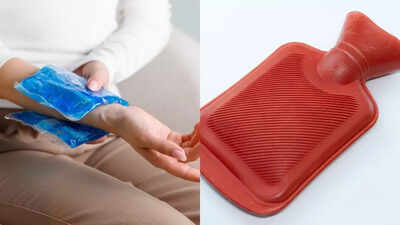
Pain can come from many sources, acute injuries, muscle tension, joint stiffness, or chronic conditions such as arthritis. When discomfort strikes, most people instinctively reach for an ice pack or a hot water bottle. However, using the incorrect treatment at the wrong time may impede healing and even worsen your condition. According to a study published in Postgraduate Medicine, heat therapy has been shown to relieve pain by increasing blood flow, metabolism, and connective tissue elasticity, while cold therapy reduces pain, inflammation, swelling, muscle spasms, and metabolic demand, highlighting the importance of choosing the right approach for optimal recovery
Understanding cold and warm therapy: Benefits and when to use
Cold therapy
Cold therapy, or cryotherapy, is most effective for acute injuries, those that have occurred within the last 48 to 72 hours. When you apply something cold to an injured area, it constricts blood vessels, which helps reduce swelling and inflammation. It also numbs the area, which can relieve sharp pain and reduce muscle spasms.Cold is particularly useful for:
- Sprains and strains
- Bruising
- Joint inflammation (e.g. gout flare-ups)
- Post-exercise muscle soreness
To use safely, apply a cold pack or wrapped ice to the affected area for 15 to 20 minutes at a time, allowing the skin to return to normal temperature before reapplying. Never apply ice directly to the skin, as it can cause frostbite or irritation. Use a cloth barrier and avoid prolonged exposure.Cold therapy should not be used if you have poor circulation, nerve damage, or cold hypersensitivity, unless advised by a healthcare professional.
Benefits of heat therapy: Easing stiffness and chronic pain
Unlike cold, heat therapy works by dilating blood vessels, increasing circulation, and relaxing tight muscles. It is ideal for managing chronic pain, reducing stiffness, and improving flexibility in joints and soft tissue.Heat can be applied in several forms:
- Hot water bottles
- Heating pads
- Warm baths or compresses
- Moist heat wraps
Heat is particularly helpful for:
- Chronic back or neck pain
- Arthritis
- Tension headaches
- Stiff joints or tight muscles
Use heat for 15 to 30 minutes at a time, ensuring the temperature is warm but not hot enough to burn. Moist heat (like a warm towel) often penetrates more deeply and provides longer-lasting relief. Avoid heat if the area is swollen, bruised, or already inflamed, as it may worsen symptoms.
Cold vs heat: Which to use and when
Knowing which therapy to use depends on the nature and timing of the pain. Here’s a simple guide:
- Cold for fresh injuries: Swelling, bruising, or pain within 72 hours of injury.
- Heat for long-term discomfort: Chronic joint or muscle pain, stiffness, or tension.
- Cold before activity, heat after: For people with ongoing pain, applying cold before movement can numb the area, while heat after helps relax and loosen tissues.
- Avoid both during active infection or skin injury: Do not apply heat or cold over open wounds or infected areas unless directed by a healthcare provider.
Using contrast therapy: Cold and heat together
In some cases, alternating between cold and heat, known as contrast therapy, can deliver even greater benefits. According to a study published in Journal of Clinical Medicine this technique helps stimulate circulation, reduce inflammation, and ease muscle tightness, especially after physical activity or injury recovery.A common method is:3 minutes of heat1 minute of coldRepeat for 3 to 4 cycles, ending with coldThis can be useful for conditions like tendonitis, chronic pain with flare-ups, or joint stiffness with inflammation. It can promote healing by boosting blood flow without allowing swelling to build up.
Safety tips for temperature-based pain relief
Whether you’re using heat or cold, the key to safety lies in moderation and protection.Cold therapy safety:
- Always use a cloth between ice and skin
- Limit application to 15–20 minutes
- Allow breaks between sessions
- Stop use if skin becomes numb, discoloured, or irritated
Heat therapy safety:
- Never use while sleeping or on numb areas
- Keep temperature warm, not hot
- Avoid direct skin contact, use a cover or towel
- Don’t apply heat to swollen or recently injured areas
For both methods, if pain worsens or doesn’t improve after several days, it’s time to seek professional advice. Underlying issues like fractures, infections, or severe inflammation may need medical treatment.
Benefits beyond pain relief
Both cold and heat therapies offer additional benefits when used consistently and correctly:
- Reduced reliance on medication: Temperature therapy can lessen the need for painkillers or anti-inflammatories
- Improved sleep quality: Less pain often leads to better rest and reduced nighttime discomfort
- Faster recovery from exercise: Helps flush out metabolic waste and reduce soreness
- Greater mobility: Especially in those with arthritis or old injuries
Using these therapies at home can empower individuals to take an active role in their pain management without over-relying on drugs or invasive procedures.Disclaimer: This article is for informational purposes only and does not constitute medical advice. Always consult a qualified healthcare professional before making any changes to your health routine or treatment.Also read | Exercise for chronic pain: How physical activity can help you feel better