Best Sleep Positions: The science of sleep positions: Which one is actually best for the body |


From lying on the back to curling up on the side, every sleep posture affects the body in subtle ways. According to the American Heart Association (AHA), sleep position can influence more than just comfort. While most people naturally choose the position that feels most comfortable, certain postures can have subtle physiological effects. Here we decode what science says about the most common sleeping positions.
Back sleeping
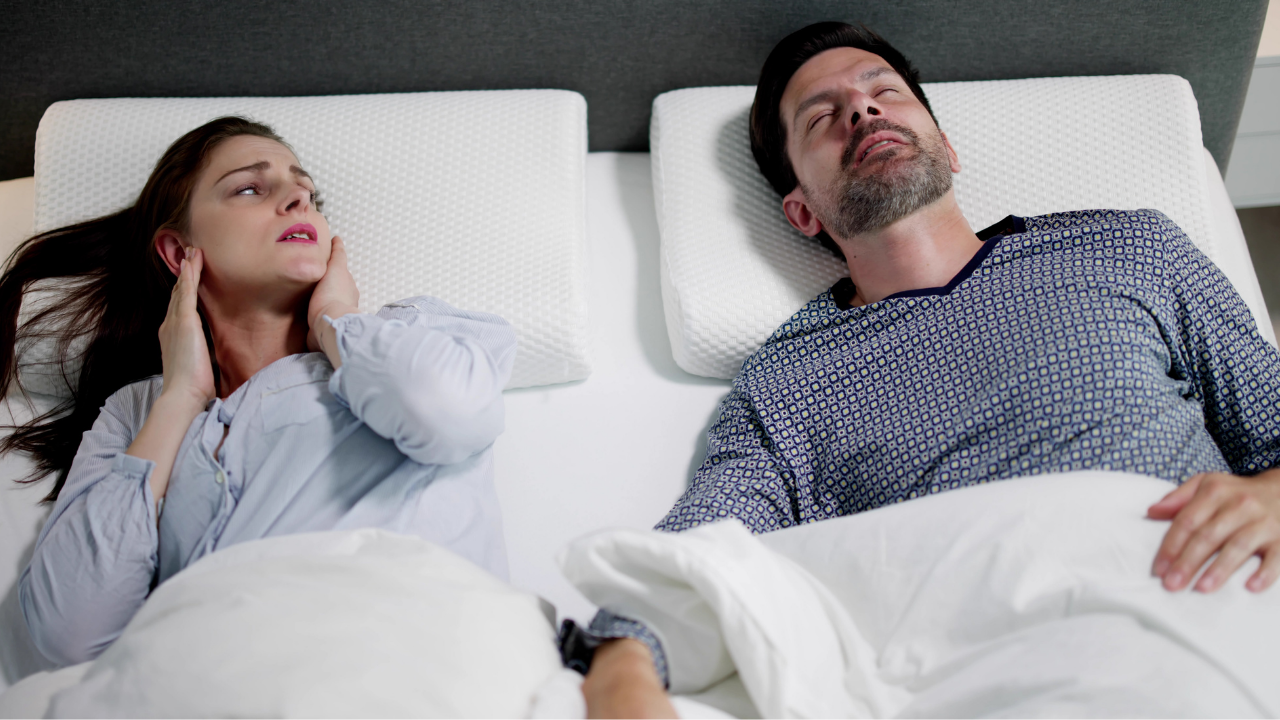
Sleeping on the back is often considered the most neutral position for spinal alignment. Research indicates that when supported with a pillow under the neck and knees, supine sleeping can reduce strain on the spine and help prevent low back pain.However, back sleeping has a downside. Studies suggest, for individuals who snore or suffer from obstructive sleep apnea lying on the back can worsen symptoms because gravity causes the tongue and soft tissues to collapse toward the airway.
Stomach sleeping
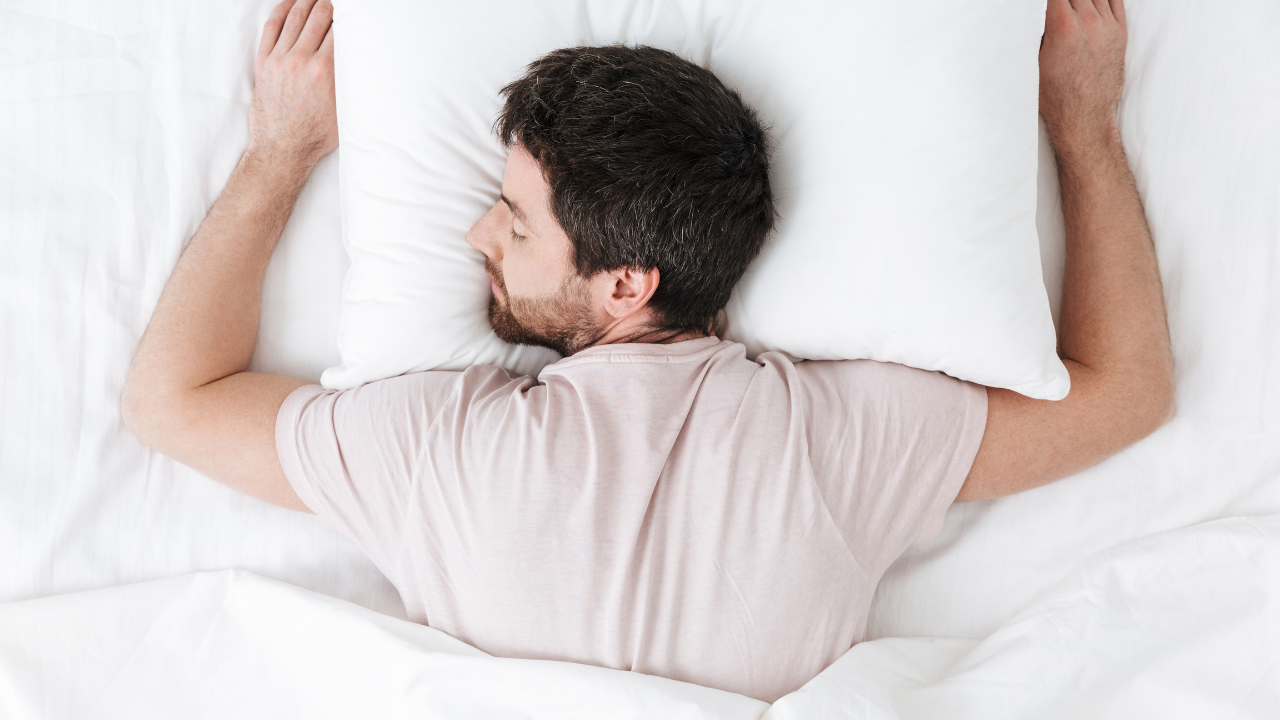
Sleeping on the stomach is generally the least recommended posture. While some people find it comfortable, studies indicate that it can increase strain on both the spine and neck because the head must be turned to one side for breathing. Stomach sleeping may also contribute to lower back discomfort, as the natural curve of the spine is not supported in this position.
Side sleeping
Side sleeping is one of the most common postures, offering several benefits for comfort, spinal alignment, and overall health. However, left and right side positions affect the body differently, and the choice can have specific health implications.

Left lateral sleepingSleeping on the left side has been shown to offer significant health advantages. As per NIH study, for people suffering from acid reflux or GERD, the left-side position reduces nightly acid exposure because the esophagus sits above the stomach, minimizing the backward flow of acid.Right lateral sleepingAccording to the American Heart Association (AHA), this position may be preferable for individuals with heart conditions, including heart failure, because left-side sleeping can sometimes worsen symptoms like breathlessness. While right lateral sleeping provides comfort and supports spinal alignment, it may increase acid exposure in the esophagus compared to the left side, making it less ideal for people with GERD.
So, which position is scientifically best?

There’s not a one-fit-for-all sleep position, however, evidence suggests:
- Side sleeping, especially left lateral, emerges as a strong contender. It may improve acid reflux, help brain clearance, and when supported correctly, may reduce back pain.
- Back sleeping is beneficial for spinal alignment, but may not be ideal for people with reflux or sleep apnea.
- Stomach sleeping offers least advantages and comes with more risk for neck and back strain.
Disclaimer: This article is intended for informational purposes only and does not constitute medical advice. Always consult a qualified healthcare professional before making changes to your sleep habits.