The Indian Connection to Worcestershire Sauce: A curry powder accident
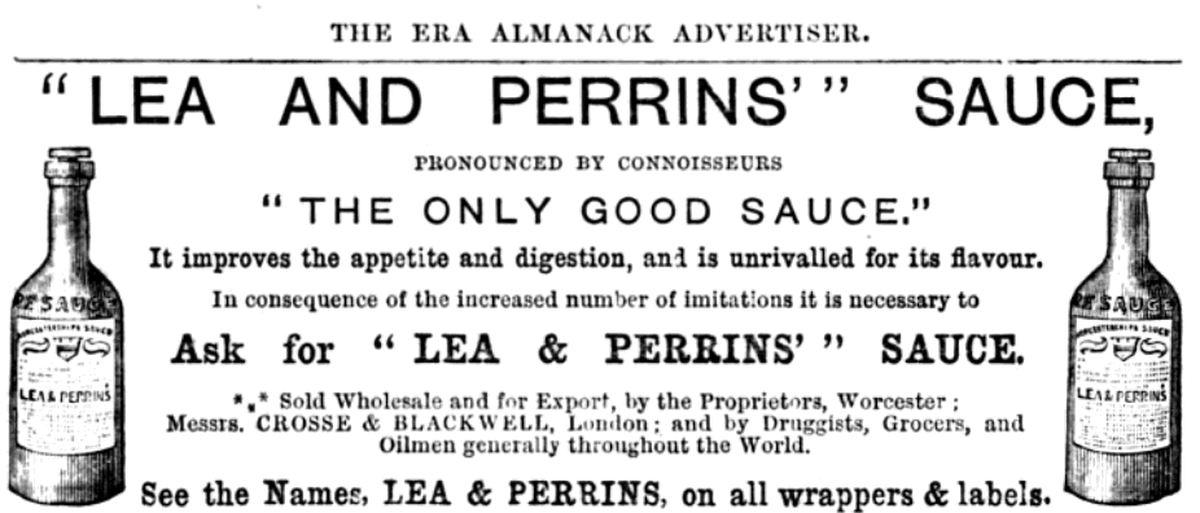
Worcestershire sauce. The first time I heard of this confusing word was while walking in a supermarket aisle mainly filled with tomato sauce, ketchup, mayonnaise, thousand island, you name it, it’s there. I’ll be honest, I had no clue how to say the name, so I kept quiet and slowly googled it later.
Vu·stuh·shuh — that’s how Worcestershire, a place in England, is called. Of course, it is more popular as the birthplace of Worcestershire sauce. It is, however, none of these matters that made me intrigued by it. What intrigued me was how this sauce, created somewhere in the middle of Britain, had an alleged Indian origin story.
The yearning for curry
The story begins in the 1830s; British officers stationed in India found themselves fascinated by the local food — especially the complex spices that made up Indian curries. Aromas of cumin, tamarind, turmeric, and chilli lingered in their memories long after they returned home.
One such man was Lord Marcus Sandys, a former Governor of Bengal. Back in England, Sandys missed the flavour of India so much that he approached two pharmacists in the city of Worcester, John Wheeley Lea and William Henry Perrins, and asked them to recreate a sauce that captured the taste of an Indian curry.
They took on the challenge, mixing vinegar with molasses, garlic, anchovies, tamarind, shallots, and a secret blend of spices—probably their own version of curry powder. The result, however, was unfortunately awful. The sauce was so strong that it was unusable. Disappointed, the chemists stored it away in their cellar and forgot about it.
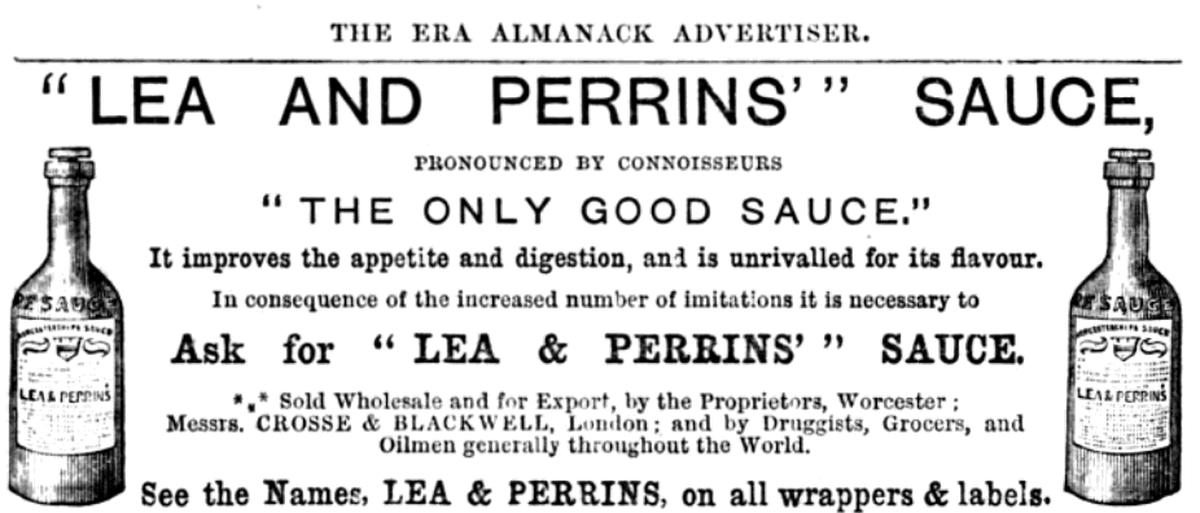
Months or perhaps years later (due to a lack of documentary proof around the same time), Lea and Perrins stumbled upon the barrels again. When they opened them, the sharp, unpleasant smell had mellowed into something new. Fermentation had worked its magic, turning a failed experiment into a rich, balanced sauce — tangy, savoury, and slightly sweet.
That “accident” became the original Worcestershire sauce. The chemists bottled it in 1837, and the sauce quickly gained popularity not only across Britain but throughout the world.
Reality check
As brilliant and coincidentally accurate as the story might seem to one, there are, however, loopholes that unfortunately bring doubts into the kitchen.
Arthur Marcus Cecil Sandys, 3rd Baron Sandys, the assumed “Lord Marcus Sandys” from the origin story, was never a Governor of Bengal. He may have travelled to India with the East India Company, but there’s no record of his journeys. There isn’t any documented proof backing up this story either. However, as any dish goes, ingredients don’t lie, and Worcestershire sauce’s ingredients also lean towards having an Indian origin.
Indian ingredients
For something so associated with English food, Worcestershire sauce is surprisingly Indian in flavour. Several of its key ingredients, like tamarind, anchovies, chilli, cloves, and curry spices, come directly from India. Much of the blend is part of everyday Indian cuisine, and even the concept behind the sauce — the blending of sweet, sour, spicy, and salty — feels Indian.
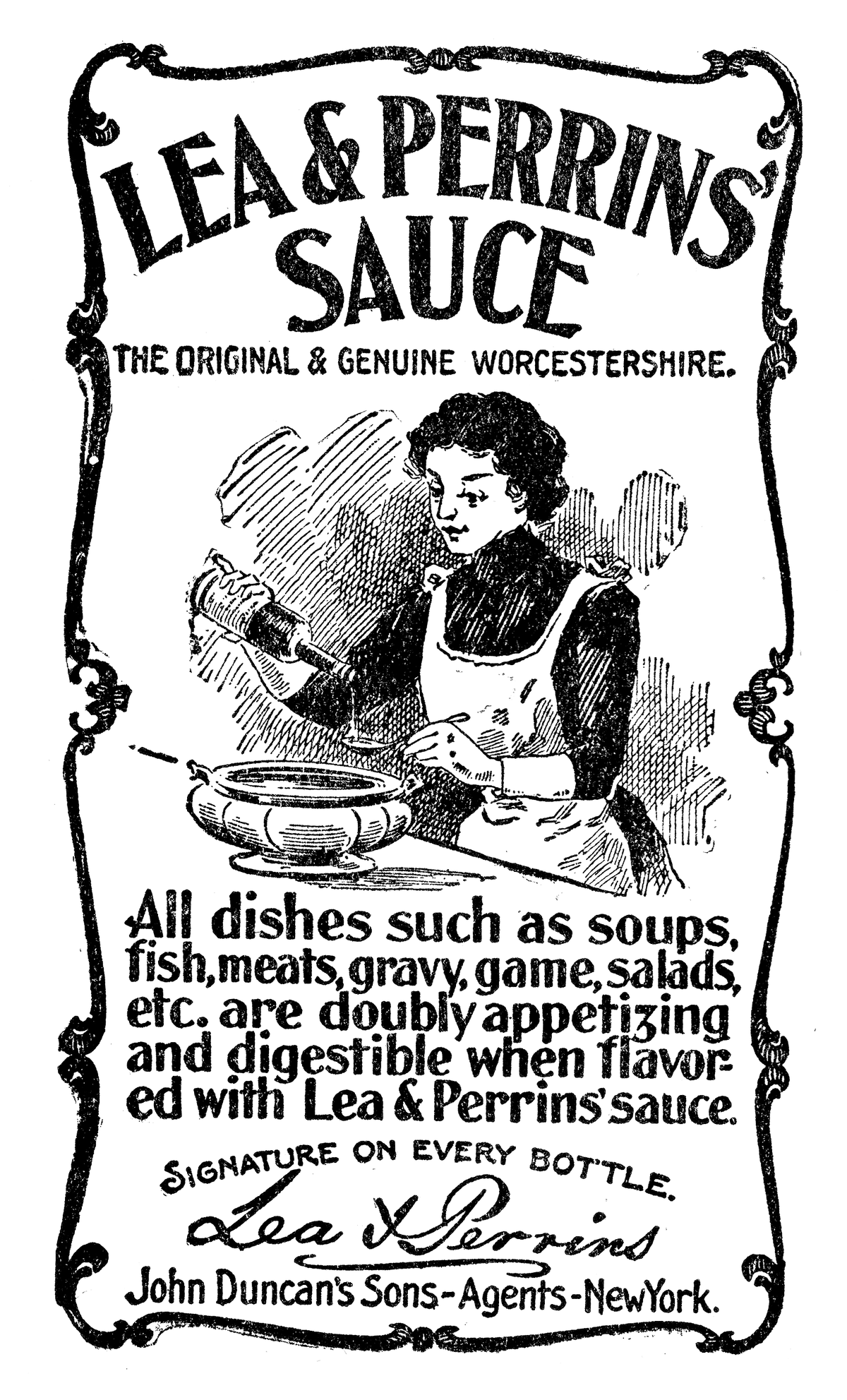
Even though the origins of the sauce are still debated upon, one thing is certain — the aftermath of colonisation still lingers in the nooks and corners of not just the survivors but also the perpetrators. Worcestershire sauce is a perfect example of cross-cultural exchange — what happens when curiosity and accident meet. The British wanted to recreate Indian taste in their own terms, and in doing so, they invented something entirely new. In a way, it’s a story of empire told through flavour: a mix of invention, appropriation, and adaptation.
In India, the fermentation process that changed Lea and Perrins’ mixture is not at all new. For a long time, Indian cooks have used natural fermentation to enhance the flavour of fermented beverages, yoghurt, pickles, and idli batter. The journey of the sauce, from a botched experiment in a British laboratory to a component of international cuisine, yet again shows how interwoven our lives have always been.
Published – November 14, 2025 03:32 pm IST