
Why plants look dead when they’re not and how to bring them back |
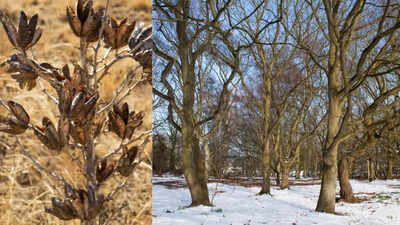
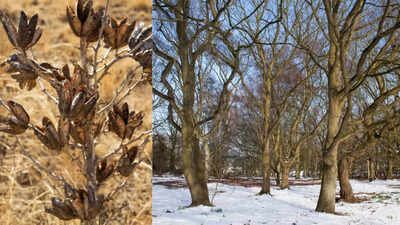
When a once-healthy plant turns brown, dry, or brittle, it’s natural to wonder if it’s truly dead or just dormant. Seasonal changes, heatwaves, overwatering, or neglect can make even hardy plants look lifeless. However, many plants simply enter a temporary rest phase to survive stress. Knowing how to tell if a plant is dead or dormant can prevent unnecessary replacements and help revive struggling greenery. By checking for green stems, healthy roots, and new buds, you can identify signs of life and restore your garden’s health while ensuring you take timely steps to adjust watering, improve soil conditions, and create a more supportive environment for healthy regrowth.
Why plants turn brown and lifeless but aren’t actually dead
Plants are remarkably resilient organisms. They adapt to stress by slowing growth or shedding leaves, which can make them appear dead even when the roots and stems are still alive. Common causes of this “false death” include:1. Seasonal dormancyMany perennials, trees, and shrubs go dormant during certain times of the year. During this period, above-ground parts die back to conserve energy, while the roots remain active underground. This is most common during winter or during prolonged drought.2. Environmental stressExtreme cold, heat, strong winds, or water stress can cause leaves and stems to die off. However, the plant’s crown or root system may still survive and later produce new growth once conditions improve.3. Improper wateringBoth overwatering and underwatering can cause plants to wilt and drop leaves. Overwatering leads to root rot, while underwatering causes desiccation. Either situation can make a plant appear beyond saving, even if recovery is possible.4. Pest or disease damageInfestations or fungal infections can damage plant tissue, causing dieback. In many cases, timely pruning and treatment can allow the plant to recover.
Signs that indicate your plant is still alive
Before removing a plant that looks dead, it is essential to check for life signs carefully.The scratch testUsing your fingernail or a small knife, gently scrape away a thin layer of bark or stem. If the tissue underneath is green and moist, the plant is alive. If it is brown and dry, that section is dead. Check several areas, especially near the base, as sometimes only the upper parts have died back.The bend testTry bending a stem or branch. A living stem will be flexible and resistant, while a dead one will snap easily. Perform this test at different points on the plant to identify living sections.Checking for buds and growthLook closely for swelling buds, tiny shoots, or any hint of green along the stems or near the soil line. These are strong indicators of life. Some plants take longer to break dormancy, so patience is often required.Examining the rootsIf the plant is in a pot, gently remove it and inspect the roots. Healthy roots are firm and white or light brown. Dead roots are dark, mushy, or brittle. For garden plants, dig lightly around the base to check for similar signs.
When to be patient, and when to move on
Sometimes, plants need time to recover. If you find green tissue or healthy roots, it is worth waiting a few weeks to see if new growth appears. However, there are times when letting go is the best option.Keep the plant if:
- There are flexible stems or visible buds.
- Roots are firm and moist.
- Only the upper branches have died back.
- The plant has sentimental or replacement value.
Remove the plant if:
- The entire plant is dry and brittle.
- All tissues under the bark are brown.
- The roots are rotten or shrivelled.
- There is no new growth after several weeks of care.